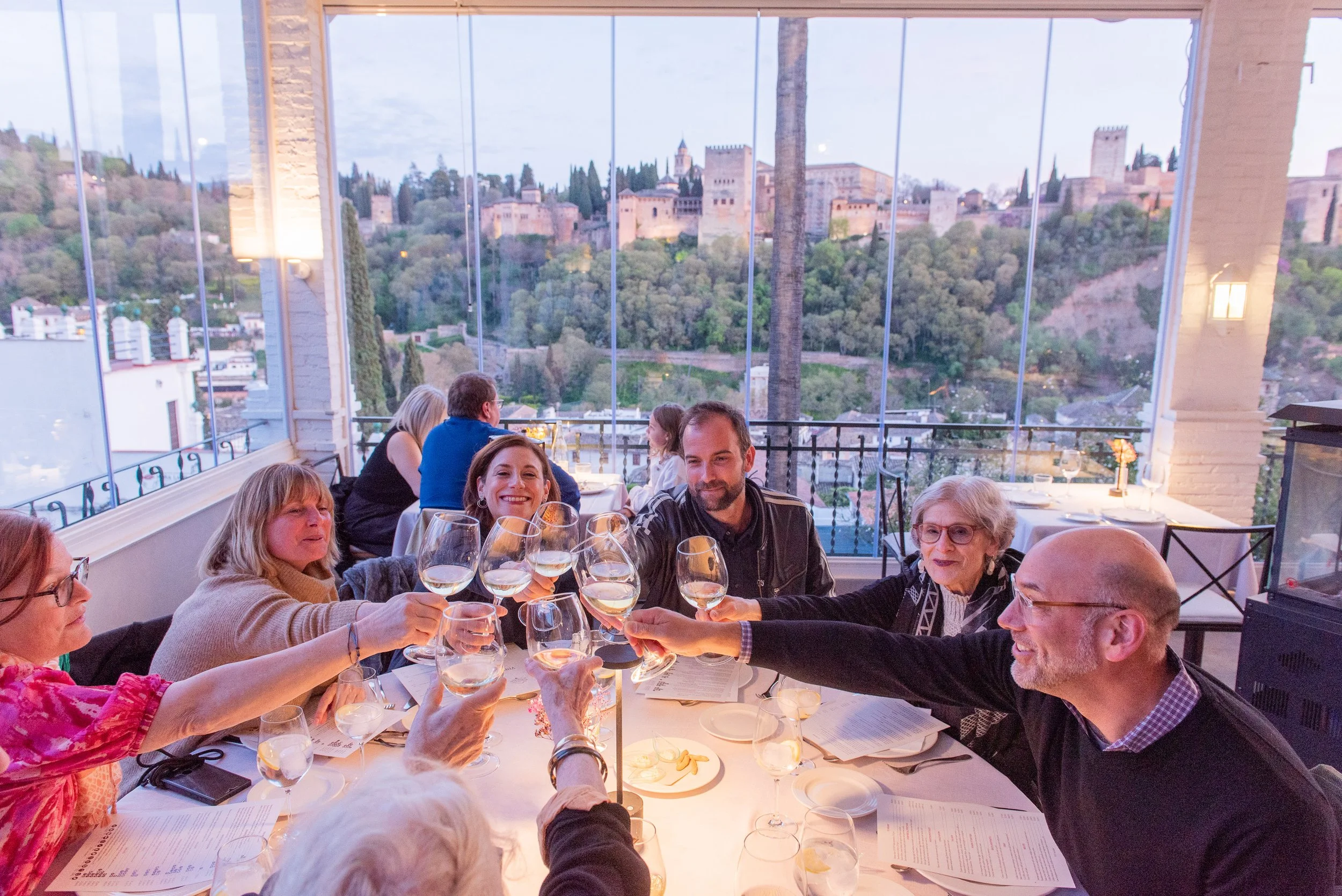
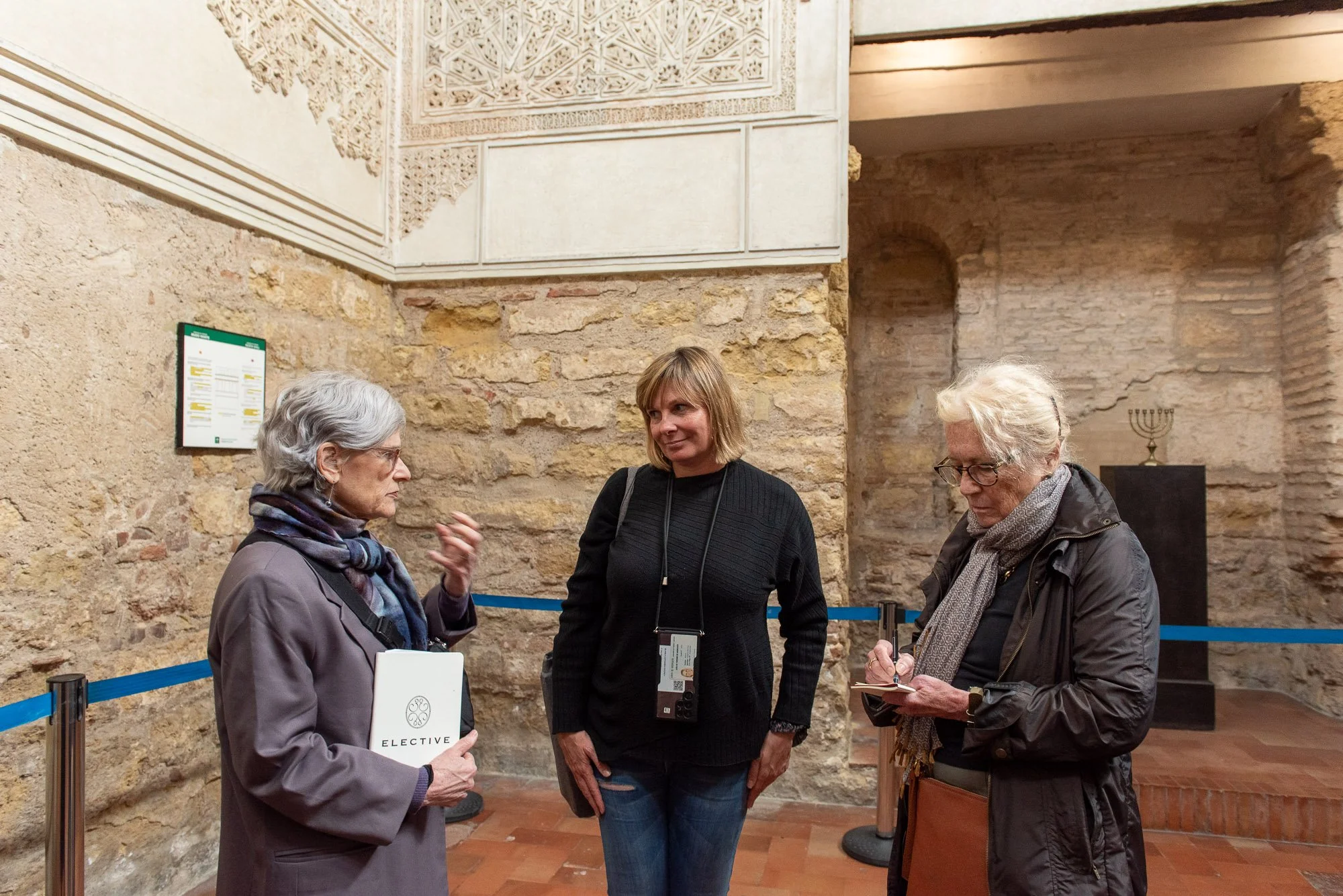
Check out highlights from a recent session of The Architecture & Cuisine of Andalusia
〰️
Check out highlights from a recent session of The Architecture & Cuisine of Andalusia 〰️

The Architecture & Cuisine of Andalusia
8 Days | Córdoba & Granada, Spain
A study of the architecture and cuisine of southern Spain, as influenced by centuries of Arab, Jewish, Christian, and Roman culture.
Between the 8th and 15th centuries, much of the Iberian Peninsula was ruled by a succession of Muslim dynasties—beginning with the Moors and including the Umayyads, Zirids, Almoravids, and Nasrids. This period, known as al-Andalus, left a profound architectural and cultural imprint on the region. This course focuses on Córdoba and Granada, two cities that served as key political and intellectual centers during this era and offer especially rich material for close study.
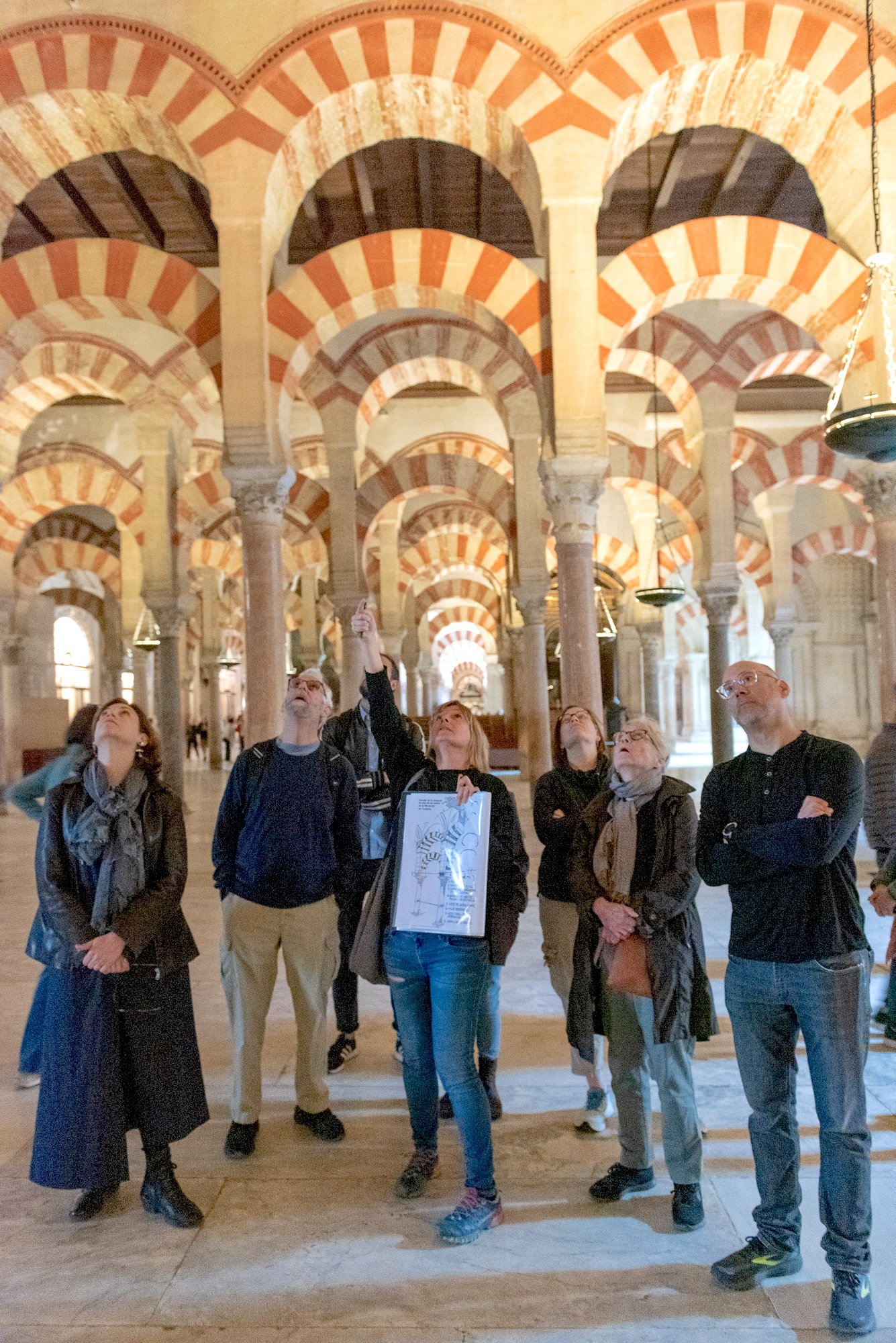
Field Seminars include guided analysis of Córdoba’s Mezquita—a mosque turned cathedral—and the Alhambra’s palaces and courtyards, where form, geometry, and atmosphere convey a particular vision of space and power.
Discussions examine the cultural logic of public versus private space, as well as the structural differences between Arab and Western models of city-building—contrasts that continue to shape how these cities are experienced today.
The course also looks to the plate as a site of cultural meaning. In Granada, a curated tapas walk highlights the culinary legacy of al-Andalus, revealing how ingredients, techniques, and traditions reflect centuries of exchange and adaptation. Students use the cities’ streets, architecture, and flavors as entry points into a deeper cultural and historical understanding.
The Framework
Every Elective runs on the same framework:
expert-led Field Seminars,
daily discussions with a small cohort,
ample time to explore on your own.
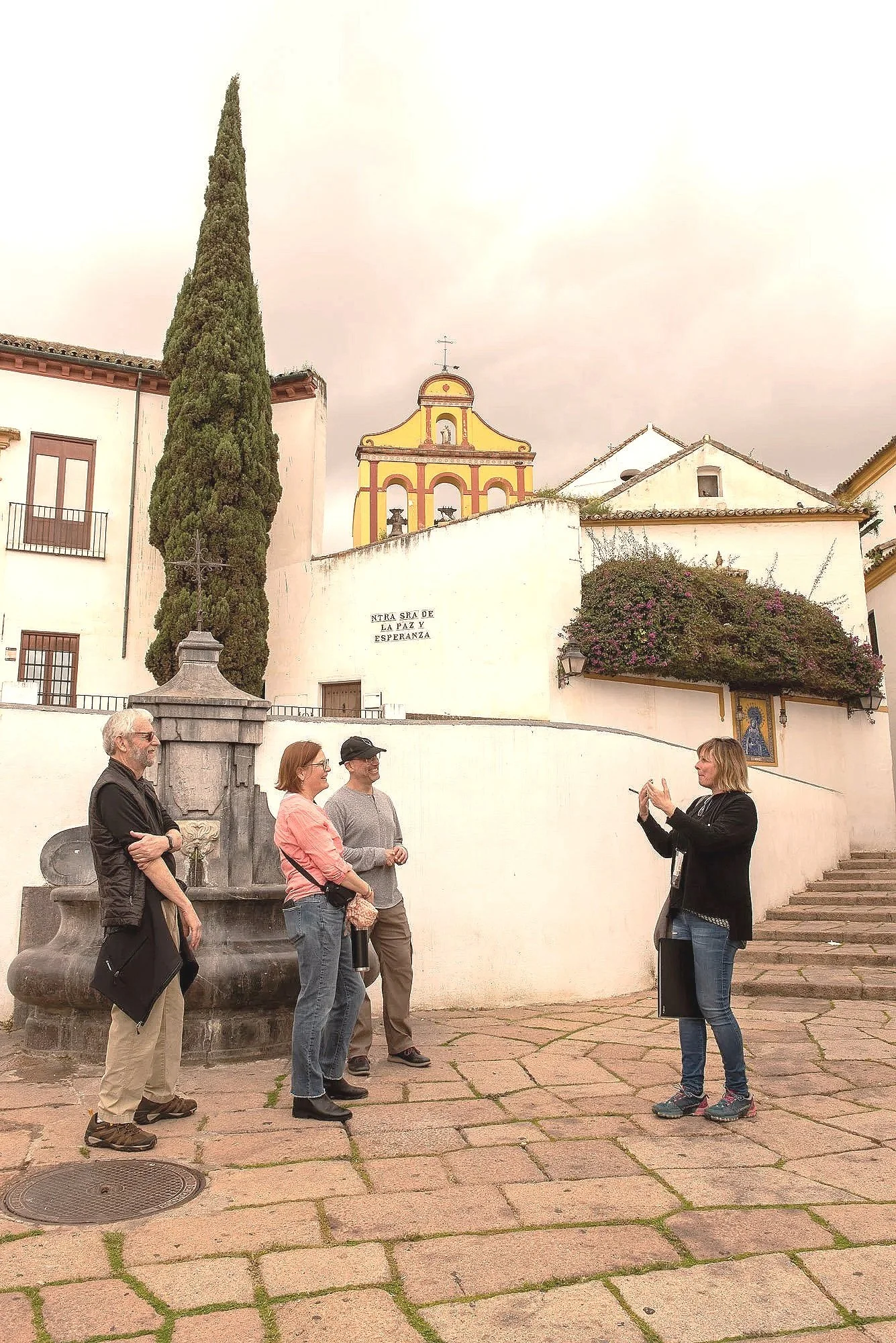
You study the course topic through the lens of the place you're in, and in turn come to understand the place through the topic you are learning about. Your instructor offers personalized suggestions so you can follow your own interests, and sharing your discoveries with like-minded travelers allows you to expand your perspective even further.
What’s Included
Course materials, including pre-course reading list and suggested continued readings for after the course
All Field Seminar activities, transport, and entrance fees
Single occupancy room in 4-5 star hotel
Breakfast every day
Transportation from Córdoba to Granada
Welcome Drinks & Dinner
Farewell Dinner
Enrollment Fees
Enrollment fees at the top of this page include everything listed above under “What’s Included.”
Not included in these fees are: Travel to and from Spain, meals not listed, Extracurriculars (see below), travel insurance, and tips.
Your enrollment is confirmed with the payment of a non-refundable deposit ($750). The remainder of your fees will be billed in two installments, at 120 days and 95 days before the course start date.
Your course will be confirmed once minimum enrollment is reached, no later than 120 days before the course start date.
DISCOUNT*: Share a Room - Participants who choose to share a room are eligible for a discount of either 10% off one participant’s enrollment or 5% off each. Please contact us before enrolling to confirm availability.
DISCOUNT*: Bring a Friend - Refer a friend who enrolls in the same Elective as you, and receive 5% off your own enrollment fee. You’ll receive 5% off for each friend you refer!
*Discounts are applied as a reduction to your second payment, 120 days before the course start date, provided both participants have enrolled. Discounts and other offers cannot be combined unless explicitly stated in the offer.
Extracurriculars
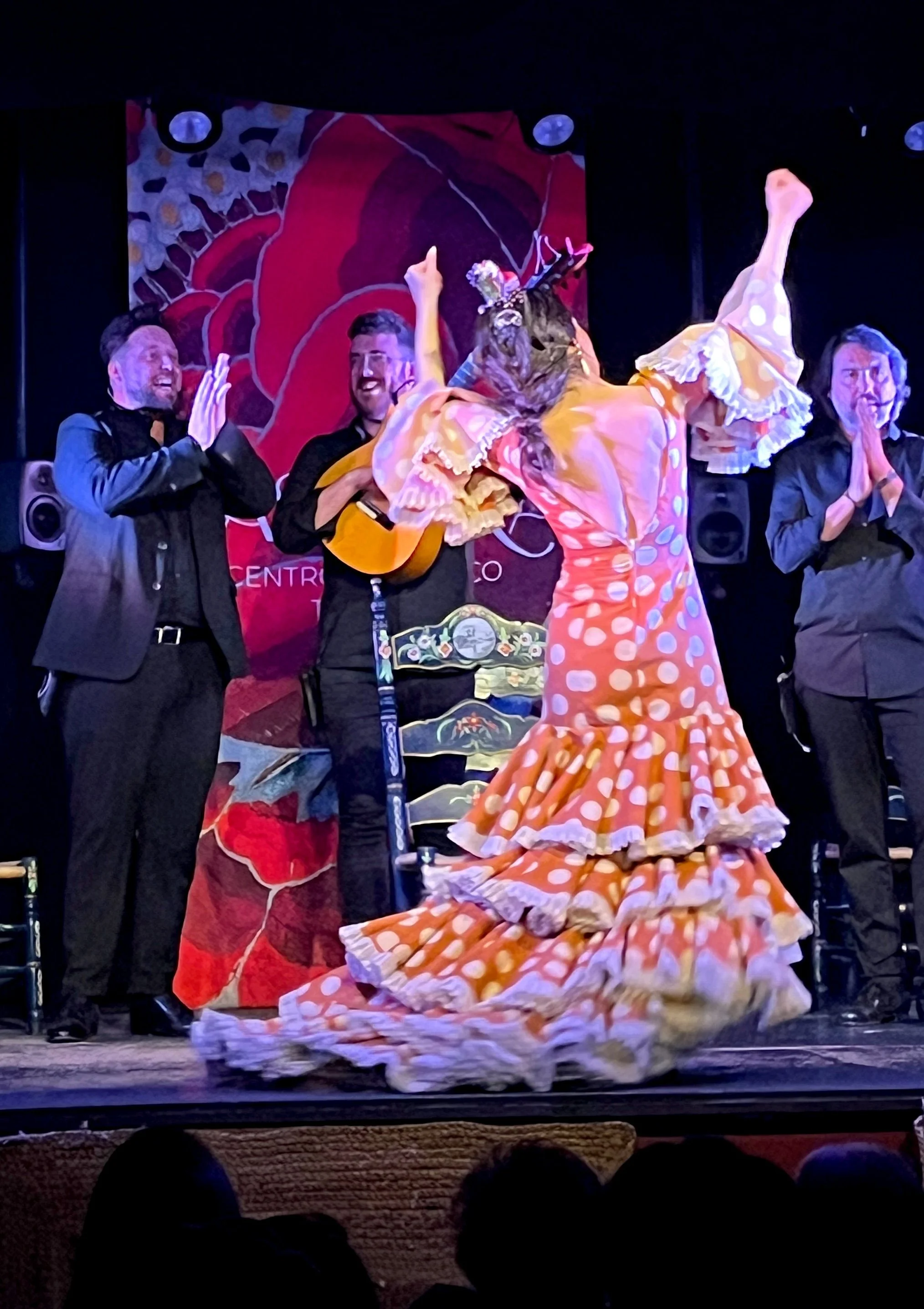
Your Facilitator organizes two optional activities during your free afternoons and evenings, with details and costs shared about a month in advance — booking is handled for you, and for outings like concerts or tastings, your Facilitator joins you. Beyond these, your Facilitator and Instructor also offer a running list of suggested restaurants and activities for your Self-Guided Study time and evenings.
Extracurriculars for this course may include:
Flamenco Show — Experience a live performance at a traditional tablao.
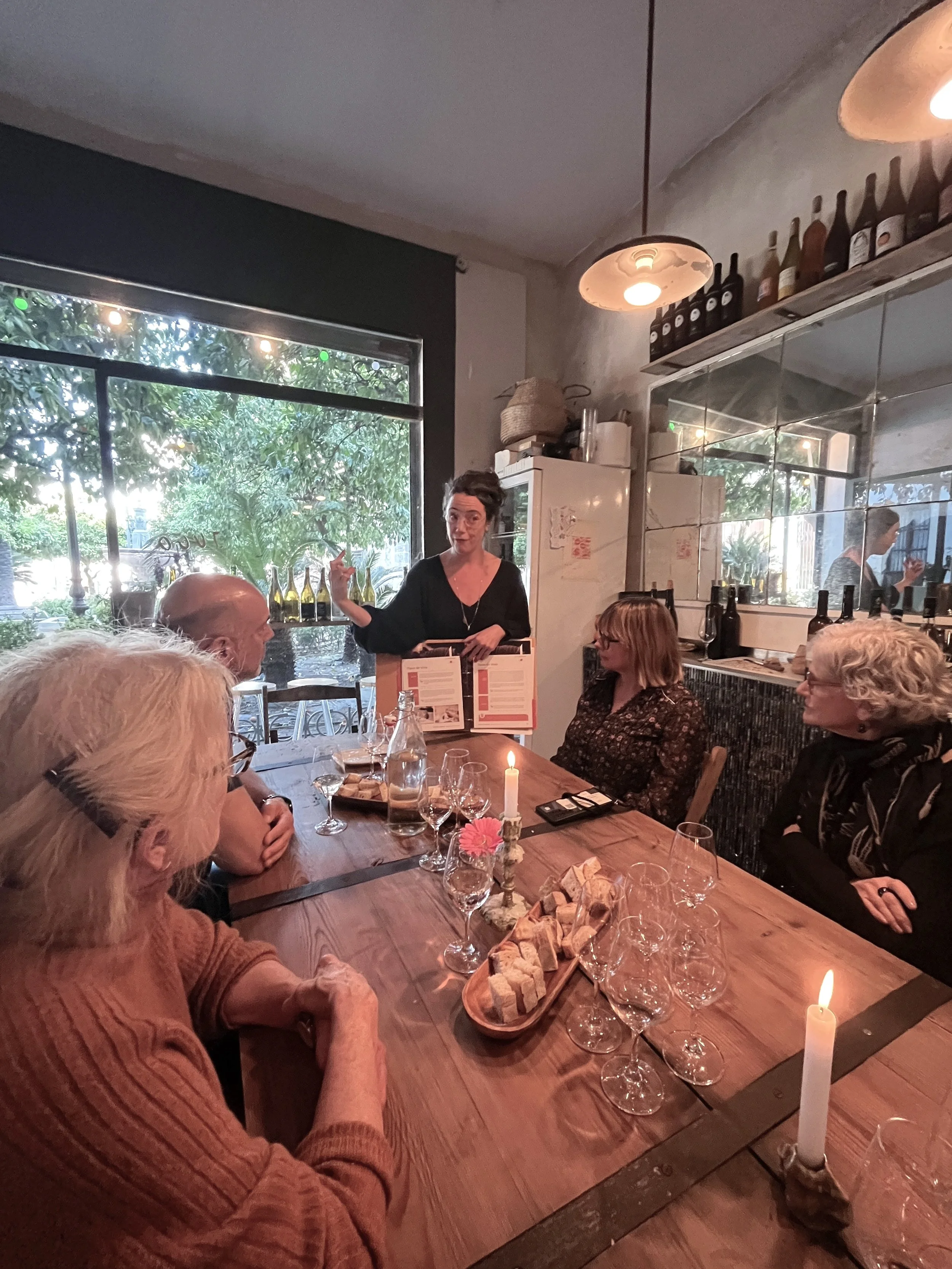
Sherry Tasting — Learn about and sample the fortified wines Andalusia has produced for over 3,000 years.
Equestrian Show — Watch purebred Spanish horses perform at Córdoba's centuries-old Royal Stables, a tradition dating back to the 16th century.
Hammam — Experience the bathing ritual at a traditional hammam, blending Arab, Roman, and Christian tradition.
Accommodation
Expect safe, central accommodations that meet Elective's standards for comfort and service — often properties like the H10 Palacio Colomera in Córdoba and Hotel Vincci Albayzín in Granada, shown here. Your actual hotels may differ, but will always be of equal or better quality, chosen with the same care for comfort and convenience.


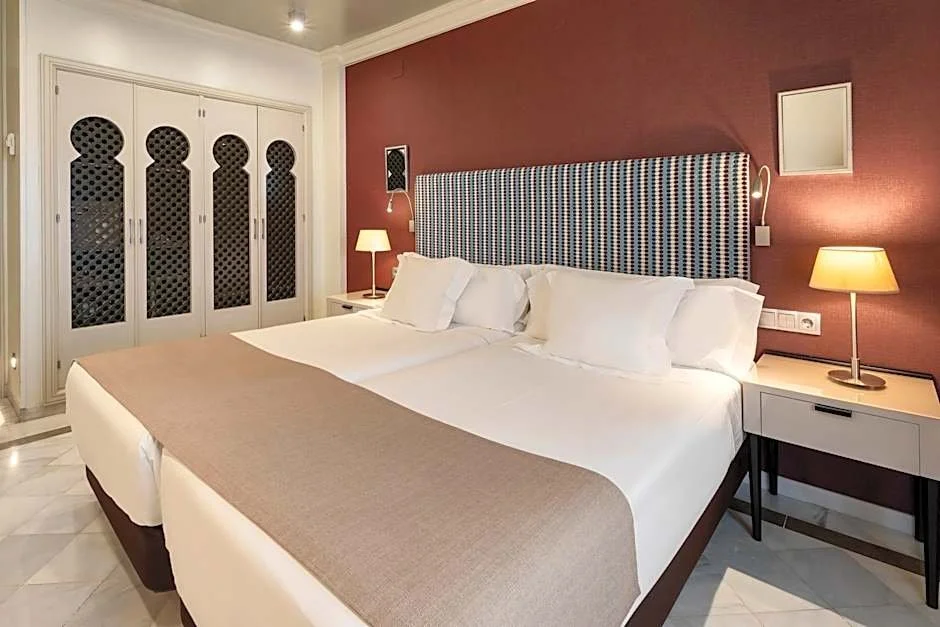
Amenities vary by property — if there's something you require, let us know as early as possible so we can help secure it. If rooms aren't all the same category, the earliest to enroll are assigned the higher category.
What to Expect
-
Arrivals
Málaga is the closest airport to Córdoba, where the course begins. From there, you can either take a train (50 minutes) or book a car transfer (1 hour 40 minutes) to the hotel.
Departures
The program finishes in Granada, which has flights to Madrid and Barcelona, from which you can connect to most major US airports (or stay on for a few days before heading home!). You can also get a train or car transfer to Málaga and fly from there.
We are happy to help arrange airport transfers.
-
Córdoba and Granada are both small cities with a pedestrian center. Expect a good amount of walking, including on cobbled streets, during Field Seminars. Participants should be comfortable walking 4 to 5 miles. Contact us if you have questions.
-
It’s generally cool and breezy but dry in southern Spain in early April. Lows are typically in the mid- to high 40’s Farenheit. Highs can get up to high 60’s in Granada and low 70’s in Córdoba. Rain is always possible in the spring.
In early November, temperatures in Andalusia remain mild. You can expect highs in the low to mid-70s and lows in the low 50s, especially in Granada, where the higher elevation can make mornings and evenings cooler. There is a moderate chance of rain.
-
Spain uses the Euro. Euros can easily be obtained at ATMs at the airport upon arrival or at any bank in Granada or Córdoba. Visa and Mastercard are taken almost everywhere; AMEX is less widely accepted.
We recommend traveling with only a small amount of cash for tips or small purchases (a cup of coffee or a bottle of water). Check exchange fees with your credit card provider before traveling.
-
There are multiple hospitals in both Córdoba and Granada.
Travel insurance is mandatory for participation. Please reach out if you have questions about this or would like recommendations of providers.
-
You will need to have a passport that is valid until 6 months after your travel ends. We will ask you to provide your passport information along with health & dietary information, an emergency contact, travel insurance, and your arrival and departure information.
-
Córdoba and Granada are both considered safe cities for travelers, with welcoming atmospheres and walkable historic centers. Petty theft can occur in crowded tourist areas, but serious crime is rare—staying aware of your belongings and surroundings is usually enough to ensure a safe and enjoyable visit.
As with all international travel, we recommend that participants enroll in the U.S. State Department’s STEP (Smart Traveler Enrollment Program) to receive important updates and support while abroad.